Olushola Omogbehin
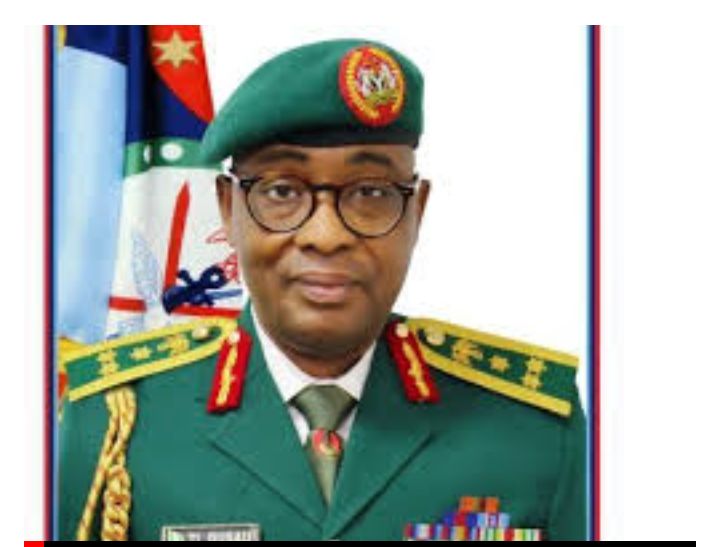
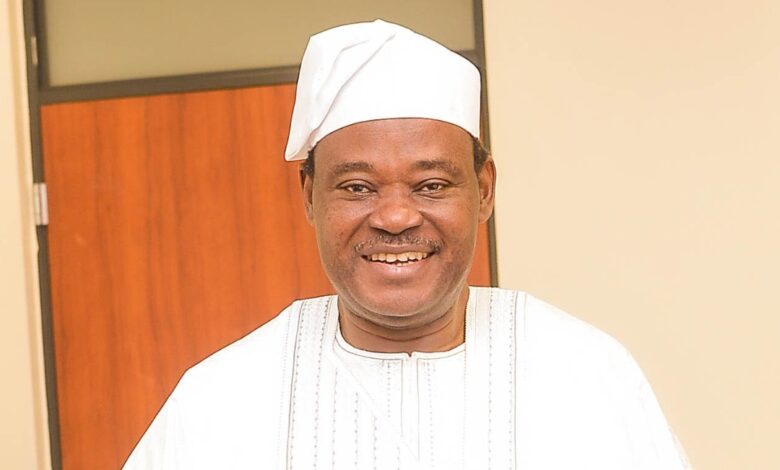
Senator representing Ondo South, Senator Jimoh Ibrahim, Nigeria has praised the Nigerian Armed Forces as it emerged as the third most powerful military force in Africa and 31st globally with a Power Index score of 0.57 that signals a growing conventional military capacity.
In the new 2025 rankings, published by Business Insider Africa using Global Firepower data, Nigeria moves up in Africa from 4th to 3rd place and improved its ranking globally from 39th to 31st.
In a statement on Saturday, Ibrahim, who is also an ambassador-designate hailed Nigerian Armed Forces for their resilience, professionalism and constant contributions to national and regional security in Africa.
“The Nigerian Armed Forces have remained steadfast in their constitutional responsibility of safeguarding over 250 million Nigerians, even as security threats grow more dynamic and sophisticated,” he said.
According to him, with an estimated personnel strength of about 230,000 and an annual defence budget of about $2 billion which represent about one per cent of Nigeria’s GDP, the Armed Forces has recorded copious gains in counter-terrorism and internal security operations nationwide.
Because in his words, “successes recorded in counter-terrorism and internal security efforts are critical to preserving Nigeria’s sovereignty, internal cohesion and territorial integrity.”
Ibrahim also mentioned the country’s leading role in African peacekeeping and stabilisation missions under ECOWAS in Liberia and Sierra Leone and peace operations in The Gambia, Guinea-Bissau, Mali and Sudan.
“These interventions have consistently reinforced Nigeria’s standing as a stabilising force and a responsible security leader on the African continent,” he said.
Attributing recent improvements in operational capacity to the commitment of President Bola Tinubu in troop welfare and institutional support, he said:
“As Nigeria approaches 2026, Nigerians must continue to stand firmly with the Armed Forces, whose sacrifices remain central to our peace, unity and stability, not only within our borders but across the African region.”