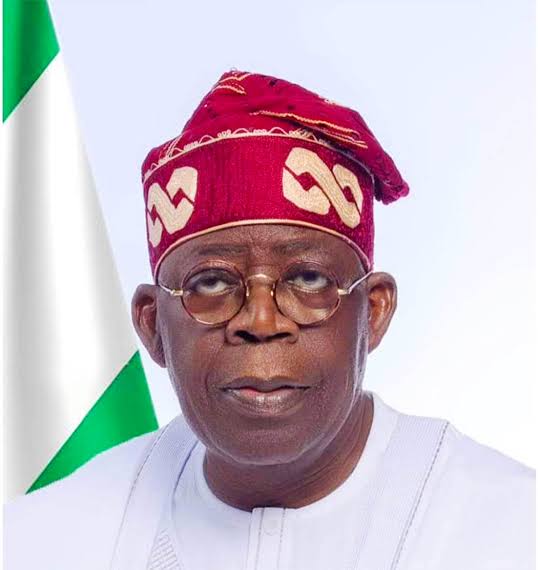
After a long wait with skepticism by Nigerians to see if the new tax reform bills would eventually become laws, President Bola Ahmed Tinubu has finally signed the four bills into law.
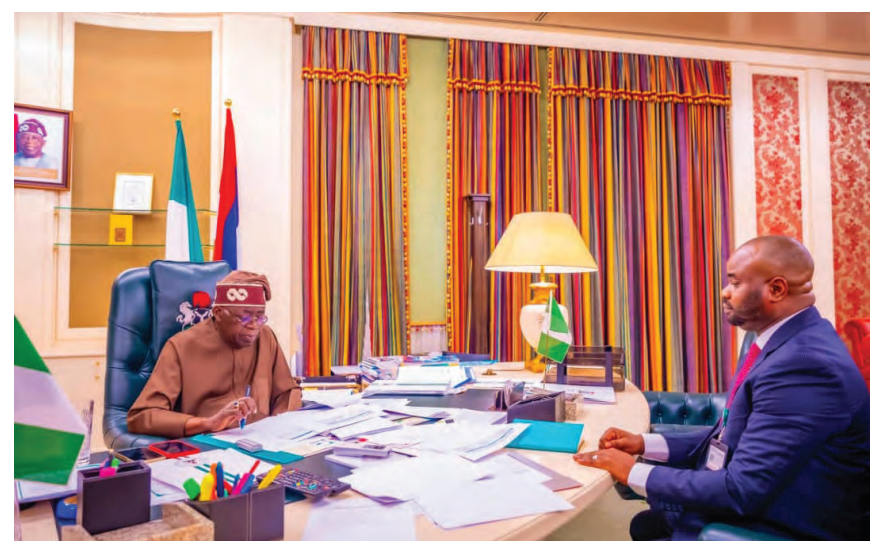
The signing of the four reform bills on the key areas of Nigeria’s fiscal and revenue framework was performed at the Aso Rock Presidential Villa, Abuja on Thursday.
The bills which are: the Joint Revenue Board (Establishment) Bill, the Nigeria Tax Administration Bill, the Nigeria Tax Bill and the Nigeria Revenue Service (Establishment) Bill finally scaled through at the National Assembly after many months of conferences with interest groups and stakeholders from different professions.
Speaking during the event, the Executive Chairman of the National Revenue Service (NRS), Mr Zacch Adedeji, said “Based on best practices globally, when you have this kind of change, it takes time for all participants, operators and regulators to adjust the system.”
As a result, he announced that with the generosity of spirit of Mr. President and the National Assembly, the law will take effect from January 2026.
According to Bayo Onanuga, “When the new tax laws become operational, they are expected to significantly transform tax administration in the country, leading to increased revenue generation, improved business environment and a boost in domestic and foreign investments” .
From the angle of the Chairman of the Presidential Fiscal Policy and Tax Reforms Committee, Mr. Taiwo Oyedele, the newly enacted laws which are “pro-poor” will also eliminate the worries of over 90 percent of small, micro and nano businesses about corporate income tax, VAT, withholding tax, or PAYE for their employees.
As the Bill on the Nigeria Tax Administration will establish a uniform legal and operational framework for tax administration across federal, state, and local governments, the Nigeria Revenue Service (Establishment) Bill will repeal the current Federal Inland Revenue Service Act and creates a more autonomous and performance-driven national revenue agency, the Nigeria Revenue Service.
The bill on the Joint Revenue Board (Establishment) Bill will provide for a formal governance structure that will facilitate cooperation between revenue authorities at all levels of government. It will also introduce essential oversight mechanisms, including establishing a Tax Appeal Tribunal and an Office of the Tax Ombudsman.
The occasion was witnessed by the Senate President, Speaker of the House of Representatives, Senate Majority Leader, House Majority Leader, Chairman of the Senate Committee on Finance, and his House counterpart.
Others at the ceremony are the Chairman of the Governors Forum, Abdulrahman Abdulrazaq of Kwara State; the Chairman of the Progressives Governors Forum, Hope Uzodinma of Imo State; the Minister of Finance and Coordination Minister of the Economy, Wale Edun; and the Attorney General of the Federation and Lateef Fagbemi.