Olushola Omogbehin
In order to strengthen national identity, unity, patriotism, good and responsible citizenship, the Nigerian Government has reintroduced Nigerian History as a compulsory subject in the basic education curriculum.
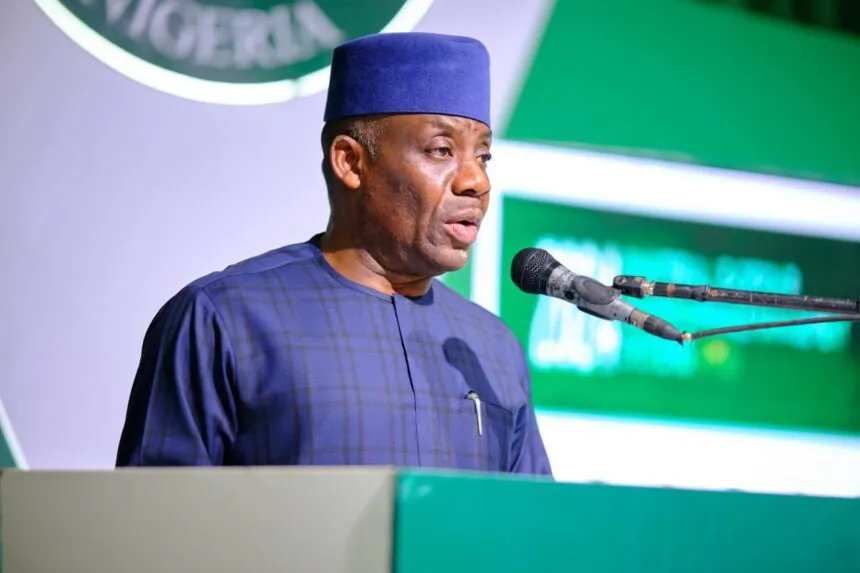
According to the Minister of Education, Dr Tunji Alausa and the Minister of State for Education, Professor Suwaiba Sai’d Ahmad, history is not merely a record of the past but a vital foundation for shaping responsible and patriotic citizens.
Expressing the gratitude of the two ministers to President Tinubu for championing this landmark reform under the Renewed Hope Agenda, the Director, Press & Public Relations, Mrs Folasade Boriowo said for the first time in decades, Nigerian pupils would study Nigerian History continuously from Primary 1 through Junior Secondary School 3 while students in SSS 1 -3 will learn the newly developed subject Civic and Heritage Studies, which integrates Nigerian History with Civic Education.
“The Ministry has officially released the revised Nigerian History Curriculum for Primary 1–6 and JSS1–3. To ensure effective implementation, it will collaborate with stakeholders to provide resources, retrain teachers and strengthen monitoring and evaluation frameworks.
“This innovative approach ensures learners understand the nation’s story while cultivating the values of citizenship, responsibility and service.”
The statement added that “Junior Secondary School (JSS1–JSS3) Students will study Civic and Heritage Studies, covering topics such as early Nigerian civilisations, pre-colonial states, West African empires, trans-Saharan trade, European contacts, amalgamation, the independence movement, and democratic governance blended with civic values to strengthen identity and national unity.
“Primary 1–6: Pupils will explore Nigeria’s origins, heroes and heroines, traditional rulers and institutions, cultural heritage, political evolution, geography, environment, economy, religions, colonial administration, and post-independence governance.”
The ministers also added that the inclusion of civic education into the new curriculum will enable learners with the knowledge and values necessary to respect diversity, uphold institutions as well as contribute positively to societal development.
As this all inclusive curriculum is designed to rekindle pride in Nigeria’s past and also revive civic consciousness and prepare young Nigerians with the knowledge and values for patriotism and responsible nation-building, parents, caregivers, educators are enjoined embrace this historic reform as a collective duty for nation building.