Olushola Omogbehin
There were signs that President Bola Tinubu may drop some names on the presidential pardon list recently approved by the Council of State, as presented by the Attorney-General of the Federation, Prince Lateef Fagbemi (SAN).
This emanated from the sharp criticism over the inclusion of high-profile convicts linked to violent crimes, drug trafficking and various degrees of corruption.
The list which includes 175 beneficiaries was divided into six categories: those granted pardon, posthumous pardon (including Ken Saro-Wiwa and the Ogoni Nine), victims of the Ogoni Nine honoured, presidential clemency beneficiaries, inmates recommended for reduced prison terms, and death row inmates whose sentences were commuted to life imprisonment.
As many people believe the move by the president was part of efforts to promote reconciliation and decongest prison, but the outcry that followed the move has made the Attorney-General clarified that the process had not been concluded.
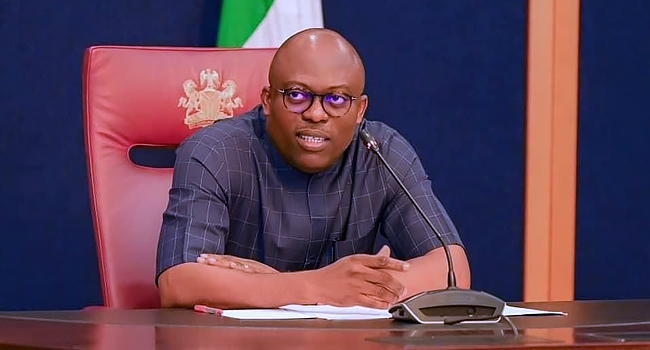
“The Presidential Prerogative of Mercy recently announced is still under review and has not been finalised,” Fagbemi stated, noting that agencies were still scrutinising the list.
However, Sources revealed that anti graft agencies such as the Economic and Financial Crimes Commission (EFCC), Independent Corrupt Practices and Other Related Offences Commission (ICPC), and the National Drug Law Enforcement Agency (NDLEA) had raised serious objections to some names on the list.
Their objection is based on the fact that freeing some individuals who are in the list could undermine the fight against organised crime and weaken public confidence in the justice system.
Some of these individuals is Maryam Sanda, who was convicted in 2017 for the murder of her husband, Bilyaminu Bello. While some members of Bello’s family rejected the pardon, his father, Alhaji Bello Isa, and Sanda’s father, Alhaji Garba Sanda, expressed acceptance of the gesture.
Also in the list is another controversial name, Kelvin Prosper Oniarah, a notorious kidnapper linked at one time to a vast network of detention camps across Delta, Edo, Rivers, Abia, Benue, and Oyo States. Also listed was Major S. Alabi Akubo, jailed for illegal possession of firearms.
In order to address the fears of Nigerians, a senior presidential aide, who spoke to Punch, disclosed that the controversy had prompted an urgent reassessment.
“The list was too wide, and some of the names did not pass the necessary security vetting. The EFCC, NDLEA, and other agencies have insisted that the list must be pruned down. Not all the names came from the official review committee.”
Another top official familiar with the matter has also said that the final version of the list may likely exclude individuals whose release could pose a security threat or undermine public trust in the justice system.
“The list will be trimmed to reflect only those who genuinely deserve the President’s mercy. Those whose inclusion created controversy will be expunged,” the source confirmed.
In one of the security agencies, another officer has said, “Some low-level officers at the level of the committee smuggled in some names. Obviously, the President is unaware of some of the names on that list.
“They have now sent the list to NDLEA and other security agencies for review. Some of the names on the list did not meet the criteria. Some low-level officers bypassed the criteria.
“In fact, some of the cases are still fresh. The good thing is that they are still in custody; they have not been released.”