Olushola Omogbehin
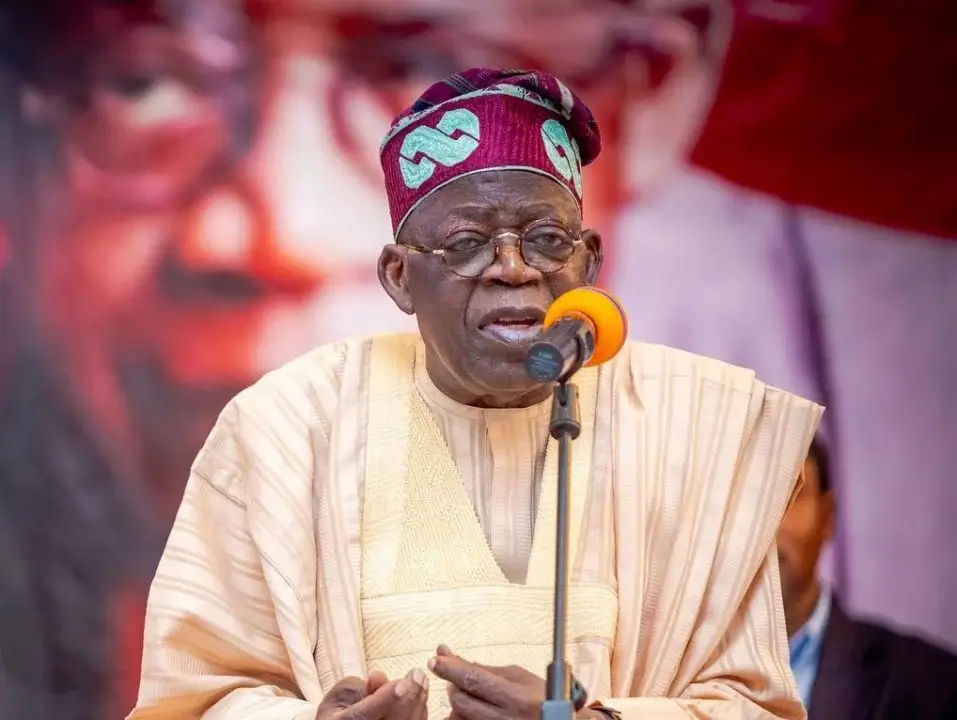
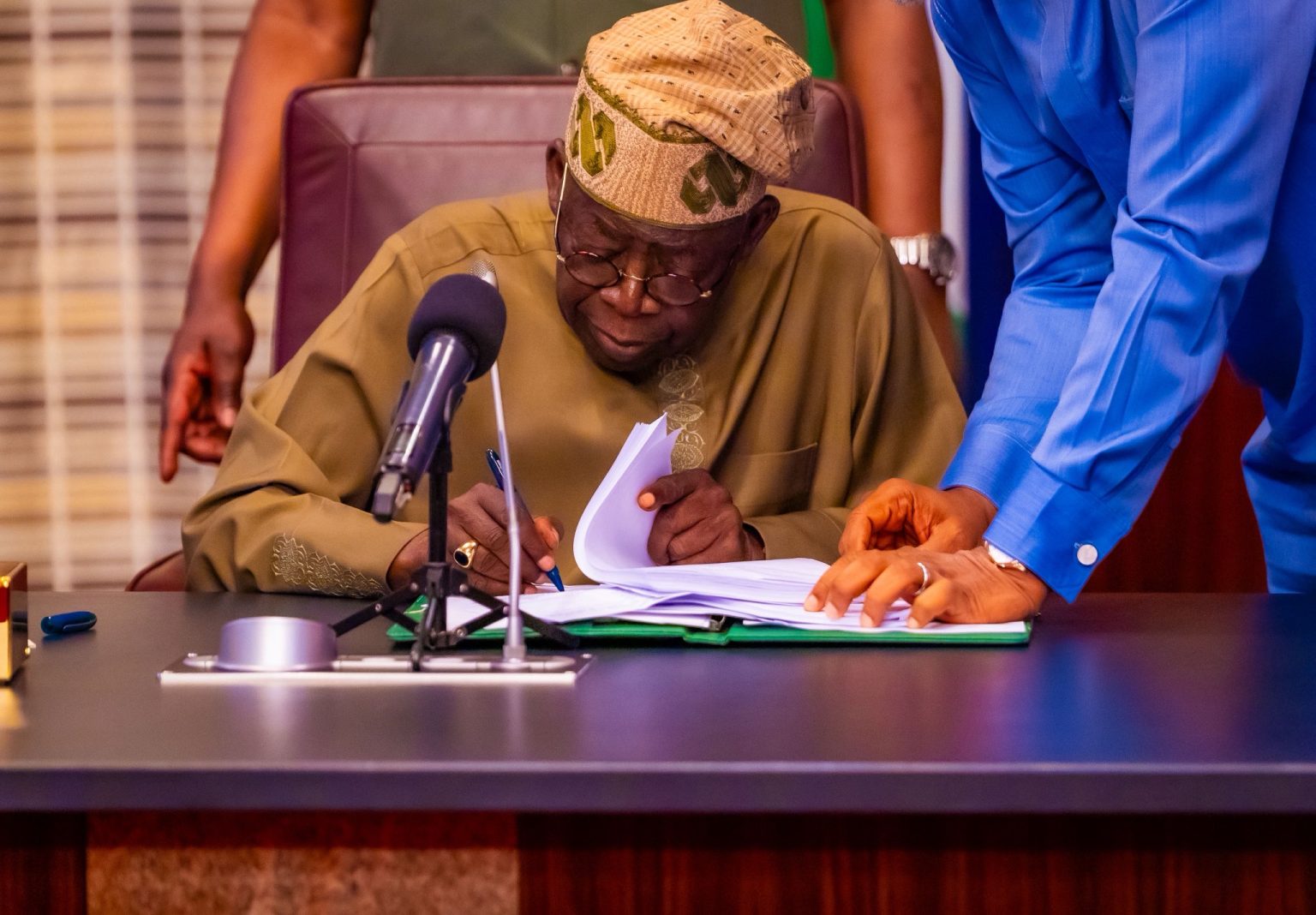
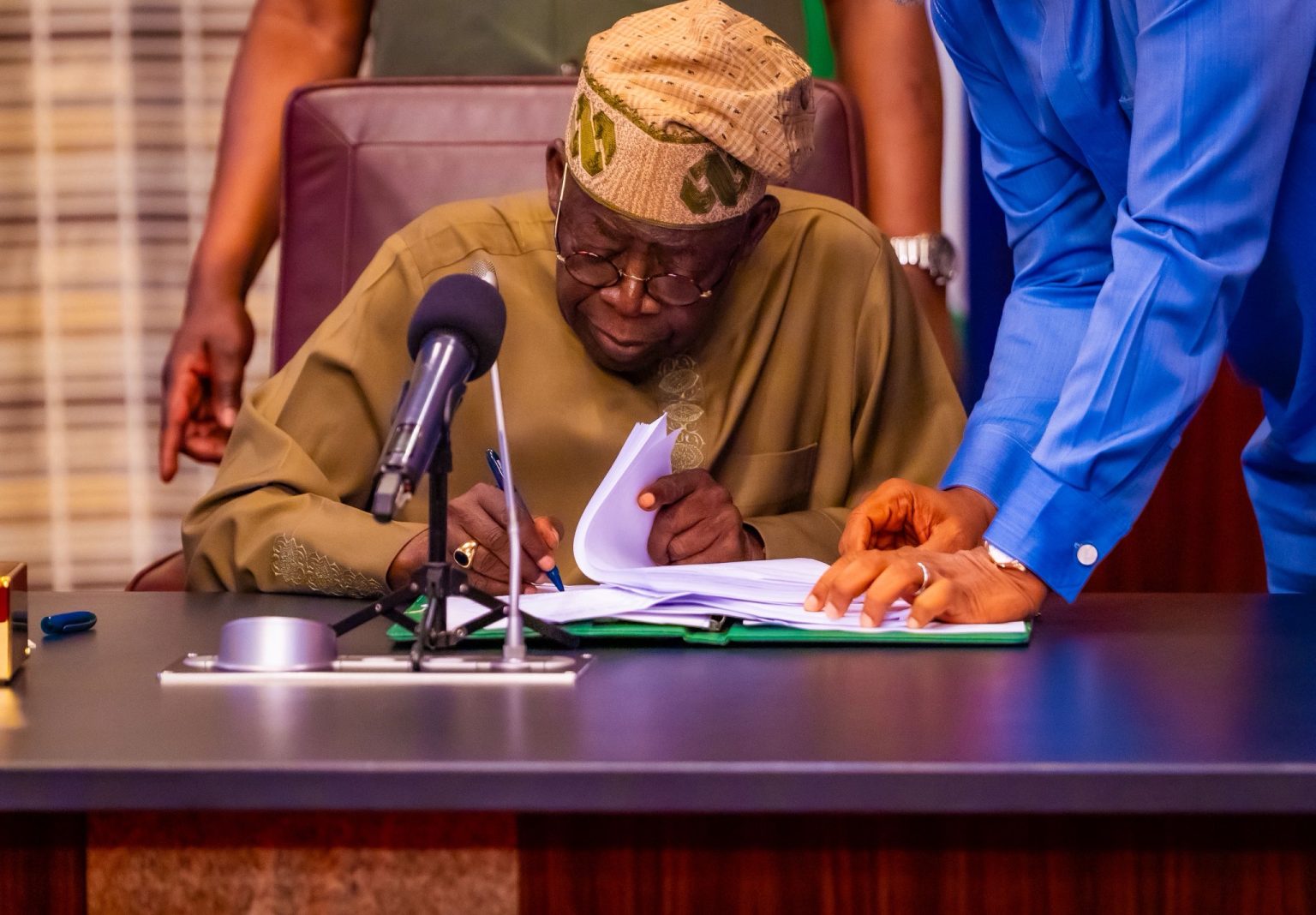
Following the approval of the postponement of the implementation of the 15 per cent import duty on petrol and diesel until the first quarter of 2026, oil marketers and downstream operators have praised President Tinubu’s decision to shift the implementation, describing it as timely in preventing a fresh wave of fuel price increases and inflation.
The postponement as approved by the President was a follow up to a detailed request submitted by the Executive Chairman of the Federal Inland Revenue Service, Dr Zacch Adedeji, after an extensive strategic consultations with key stakeholders to assess the readiness of market and ensure a smooth and orderly rollout of the 15 per cent import duty.
Titled “Deferment of the Commencement of the Implementation of the Premium Motor Spirit (petrol) and Diesel Import Duty,”Adedeji made the request in a letter dated November 7, 2025, which stressed the need to ensure that local refining infrastructure is fully prepared with technical and operational frameworks that is properly aligned before the levy takes effect.
the Nigerian Midstream and Downstream Petroleum Regulatory Authority, announced the suspension of the planned 15 per cent ad-valorem import duty on petrol and diesel, reversing an earlier policy move aimed at encouraging local refining and reducing dependence on fuel imports.
Following the announcement of the suspension of the duty by the Nigerian Midstream and Downstream Petroleum Regulatory Authority (NMDPRA) as approved by Tinubu, the Independent Petroleum Marketers Association of Nigeria (IPMAN) has welcomed the move, saying it has shielded consumers from inflationary pressures and preserved market balance.
Speaking, the National Publicity Secretary Chinedu Ukadike said “IPMAN commends Mr President for the suspension of the tax. It would have indirectly fuelled inflation and distorted market forces. This is a people-centred decision.”
The President of the Petroleum Products Retail Outlets Owners Association of Nigeria (PETROAN), Billy Gillis-Harry, also praised the government, saying the suspension shows the government is listening to industry concerns and sensitive to the economic realities faced by Nigerians.
“Fifteen per cent at this time would have been excessive. The government has wisely suspended it after assessing its potential impact. That is the essence of governance – testing, analysing, and acting in the best interest of citizens.” Gillis-Harry said.