Olushola Omogbehin
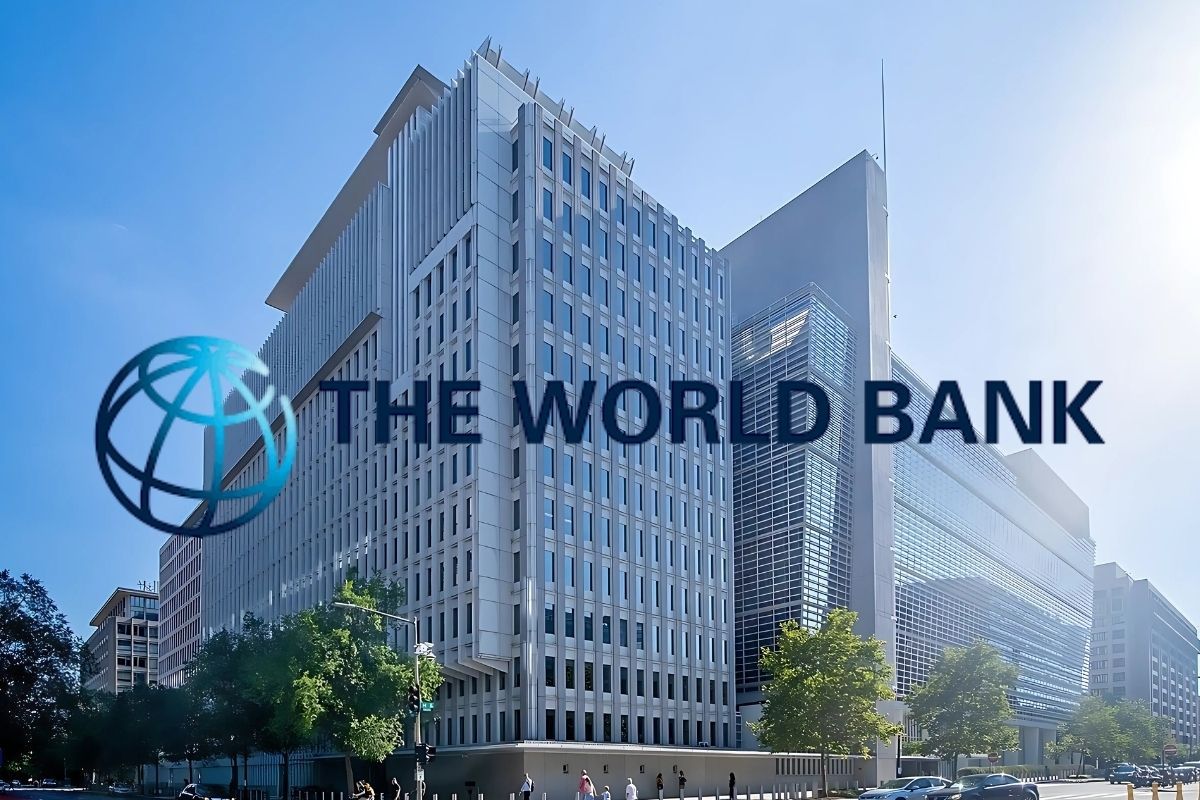
Despite public criticism over Nigeria’s rising debt profile, the World Bank has granted a fresh $1.25 billion Development Policy Financing (DPF) loan for Nigeria in support of economic reforms to boost private sector-led growth, creating jobs and strengthening the country’s business environment.

The approval of the loan which is equivalent of N2.1 trillion at an exchange rate of N1,400/$1, was disclosed on Wednesday.
The loan which is part of Nigeria”s Actions for Investment and Jobs Acceleration (NAIJA) Development Policy Financing operation, it also coincides with the World Bank’s adoption of a new six-year Country Partnership Framework (CPF) for Nigeria covering 2026 to 2032.
It is meant to support Nigeria’s transition to a more inclusive and resilient economy by implementing reforms that encourage investment, improve competitiveness and expand employment opportunities.

“The World Bank Group has endorsed a new Country Partnership Framework (CPF) for Nigeria spanning 2026–2032, setting out a strategy to create more and better jobs at scale by unlocking private sector-led growth.
“As part of this broader support, the World Bank has also approved the Nigeria Actions for Investment and Jobs Acceleration (NAIJA) Development Policy Financing (DPF) operation, which supports Nigeria’s transition toward a more inclusive growth model that spurs growth and creates jobs,” World Bank said in a statement.
Despite the concerns by Nigerians, the World Bank claimed that the new facility would finance reforms that strengthen the foundations of economic growth rather than fund recurrent expenditure.
“The NAIJA DPF operation, which amounts to $1.25 billion, supports a set of Government reforms to strengthen the foundations for growth and competitiveness,” the statement said.

World Bank said the reforms will focus on deepening Nigeria’s capital markets, modernising regulations governing the digital economy and electronic governance and advancing power sector reforms.
It will also reduce trade barriers in line with Nigeria’s commitments under the Economic Community of West African States (ECOWAS) and the African Continental Free Trade Area (AfCFTA).
It is also part of a broader World Bank support package which the bank said is intended to boost economic resilience, reduce poverty and encourage stronger private sector participation in Africa’s largest economy.
Also, the World Bank unveiled a new Country Partnership Framework that will guide its engagement with Nigeria over the next six years.
In line with the programme, the World Bank will help expand electricity access to about 32 million Nigerians, provide broadband connectivity to 58 million people, improve health and nutrition services for 40 million citizens and support 9.5 million farmers through higher agricultural productivity and improved access to quality farm inputs.
According to World Bank Country Director for Nigeria, Mathew Verghis, said the new partnership reflects the institution’s long-term commitment to supporting Nigeria’s economic transformation.
“Our new Country Partnership Framework provides the strategy for how the World Bank Group will support Nigeria over the coming years, with a strong focus on helping to create more and better jobs, particularly by enabling private sector-led growth.
“The recent macroeconomic gains have been critical to help stabilize the economy. Translating improved macroeconomic conditions into better living standards will require addressing the structural constraints to spur private sector investment and job creation,” Verghis said.

Dahlia Khalifa, IFC Divisional Director for Nigeria, said attracting private investment would be critical to unlocking Nigeria’s long-term economic potential.
“Nigeria’s long-term growth potential will be shaped by the economy’s ability to attract investment, raise productivity, and unleash private sector job creation building on the capital of a rapidly growing population,” she said.
He said the framework is expected to unlock greater private investment, expand infrastructure and improve access to essential services while creating a more competitive business environment.
The new loan is the second-largest single World Bank loan secured by Nigeria under President Bola Tinubu’s administration, after the $1.5 billion Reforms for Economic Stabilisation to Enable Transformation Development Policy Financing approved in June 2024.
It will be implemented by the Federal Ministry of Finance