Olushola Omogbehin
The increment in the price of crude oil above $100 per barrel at the international market has geared up petrol prices across Nigeria, with marketers raising pump price leading to fresh pressure on transporters, commuters, households and businesses.

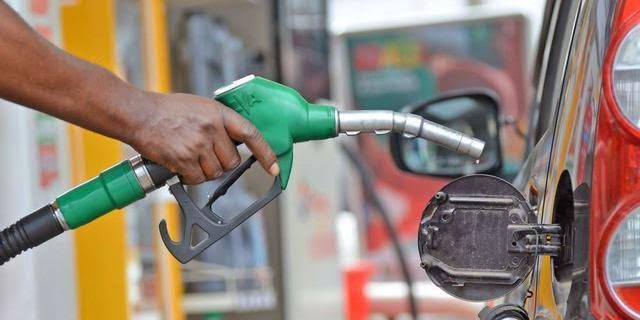
Filling stations operated by NNPC Limited have increased their pump price to N1,375 per litre from N1,275, while some independent marketers have also increased their prices to N1,400 from about N1,360 per litre.
MRS filling stations have increased their petrol price from N1,300 to N1,400 per litre, representing a N100, or 7.7 per cent, increase in Lagos and its environs.
The various increments are reactions to the rise in the gantry price of petrol by Dangote Petroleum Refinery to N1,350 per litre, reflecting the impact of higher crude oil prices and rising costs across the petroleum supply chain.

Expectedly, the new pump price increase will raise transportation costs and household expenses, while increasing operating costs for businesses that depend on fuel for logistics, power generation and other activities.
Undoubtedly, commercial buses, taxis, tricycles and other petrol-powered vehicles may require higher fares to maintain their margins.
Vanguard already reported that this could place additional pressure on commuters who already spend a significant portion of their income on transportation.
Vanguard showed that workers, students, traders and other Nigerians travelling daily to offices, schools, markets and business centres are likely to feel the impact first.
It could also spread through the wider economy as higher transportation costs raise the cost of moving food, raw materials and finished products while the combination of higher fuel, transportation and power costs could further squeeze profit margins.
Speaking with Vanguard, the National President of Oil and Gas Services Providers Association of Nigeria, OGSPAN, Mazi Colman Obasi, said:

“The immediate trigger is the sharp rise in international crude oil prices, which has increased the cost of refined petroleum products and altered the economics of domestic fuel supply.
“With Nigeria’s downstream market largely deregulated, pump prices are increasingly influenced by international crude prices, refined-product costs, freight, exchange rates and other supply-chain expenses.
“If crude prices remain above $100 per barrel or rise further, domestic petrol prices could come under additional pressure. For transporters, the immediate concern is the cost of keeping vehicles on the road. For commuters, it is higher fares.
“For households, it is increased spending on transportation, food and electricity and for businesses, it is rising logistics, production and energy costs.
‘’If the crude-price rally persists, the pressure could extend further across the Nigerian economy, deepening concerns over the cost of living and doing business.”