Akindele Adegboye
Robert Frost once wrote of two roads diverging in a wood and the choice of which one to take. For millions of Nigerians, however, the problem is no longer choosing between roads; it is finding one that is safe and motorable enough to take.
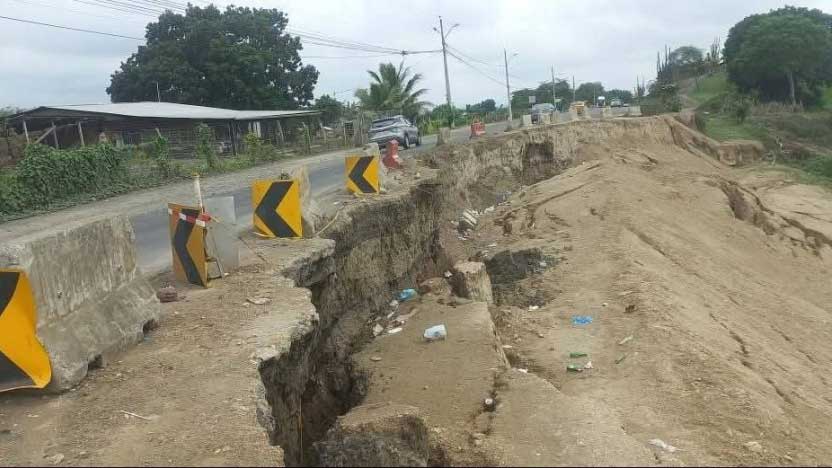
Across the country, deteriorating interstate highways, rural link roads and feeder roads are increasingly placing farmers, commuters, traders and transporters under severe pressure, with the consequences extending from damaged farm produce and rising transportation costs to prolonged journeys and growing security concerns.

Of particular concern are roads linking farming communities to major markets, where poor road conditions are making it difficult for farmers to evacuate their produce. The situation is contributing to delays, higher transportation costs and the deterioration of perishable farm products before they reach consumers.
Recent studies have linked poor road networks and inadequate transportation infrastructure to significant post-harvest losses in Nigeria, with farmers losing part of their income because they are unable to move their produce efficiently from farms to markets.
The problem extends beyond rural feeder roads to major interstate corridors.
The Benin–Asaba Expressway, a strategic route linking the South-South and South-East with the South-West, has recently come under intense scrutiny over its deteriorating condition.
The Federal Government, through the Ministry of Works, has acknowledged serious deficiencies along the highway and ordered immediate corrective measures. The deteriorating condition of the road has resulted in severe traffic congestion, prolonged travel times and hardship for motorists and other road users.
For many travellers, what should be an important economic corridor has increasingly become a test of endurance.
Another major concern is the road network connecting the Ilorin/Jebba axis through Mokwa, Makera, Tegina and Kontagora towards Niger State and onward to other parts of northern Nigeria.

Sections of the corridor have suffered prolonged deterioration, affecting the movement of people and goods and raising concerns among road users and communities along the route.
The security implications have also become a major concern.
There have been repeated reports of kidnappings and attacks on travellers along roads around the Kontagora, Mariga and Tegina axis. In October 2024, 20 passengers were reportedly abducted along the Mariga–Kontagora road. Other attacks and abductions have subsequently been reported along roads linking Kontagora with Tegina and Yauri.
While poor road conditions cannot be identified as the sole cause of kidnapping and banditry, security concerns are heightened when badly maintained roads slow down traffic, leave vehicles vulnerable to breakdowns and isolate communities from rapid emergency response.
The economic consequences of the road crisis are extensive.
A farmer whose produce cannot reach the market on time risks losing a significant portion of his harvest. Transporters incur higher vehicle-maintenance and fuel costs, while traders pass increased transportation expenses to consumers.
The result is a chain reaction that ultimately contributes to higher food prices and reduced income for agricultural producers.
The roads connecting farms to markets may not attract the same attention as major highways, but they remain vital to Nigeria’s food supply.

Without functional roads, farmers cannot efficiently move their produce, businesses struggle to operate in rural communities and emergency and security agencies may find it more difficult to reach vulnerable areas.
The growing deterioration of Nigeria’s road network has therefore renewed calls for governments at all levels to move beyond emergency repairs and adopt a sustained road-maintenance programme.
For farmers and travellers who depend on these roads every day, the issue is no longer simply about potholes or travel delays.
It is about livelihoods, food security, economic activity and personal safety.
Until the roads connecting Nigeria’s productive communities to its markets and cities are made functional, the country’s efforts to improve agricultural productivity and stimulate rural economic growth will continue to face a formidable obstacle: the road itself.
Akindele Adegboye is a sociopolitical analyst