Olushola Omogbehin
Sequel to the formal transmission of the constitution alteration bill to the Senate by President Tinubu to establish state police across Nigeria, the upper chamber will take a decision on it today

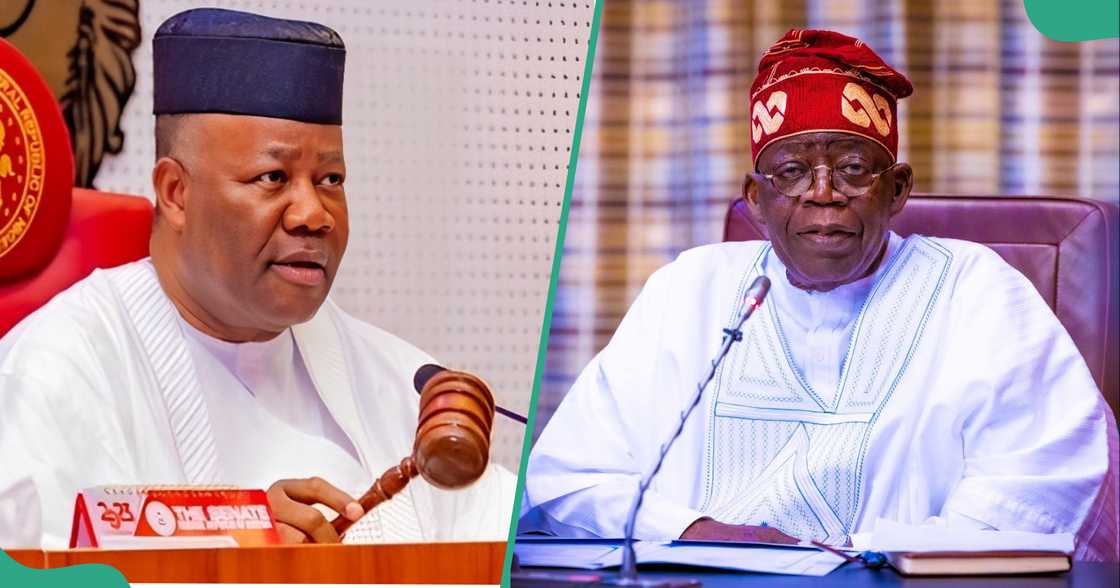
Senate President Godswill Akpabio revealed this during Tuesday’s plenary session in Abuja, where he said that the upper chamber would consider the constitutional amendment bill on Wednesday.
In the bill which is expected to mark another major step towards changing Nigeria’s policing structure, Akpabio revealed that state governments are also committed to reviewing the bill on the same day upon receipt, showing an unusual degree of alignment between the executive, legislature, and the states on a matter that has historically divided opinion across the country’s political landscape.

The aim of the bill is to amend relevant provisions of the 1999 Constitution to formally authorize individual states to establish and operate their own police forces, a departure from the current arrangement, which vests all policing powers exclusively in the federal government through the Nigeria Police Force.
Over the years, centralized policing model has attracted fierce criticism from governors, security experts, and civil society groups who argue that it is ill-suited to the diverse and complex security environments across Nigeria’s 36 states and the Federal Capital Territory.
One of the needs for the amendment was the complain by State governments of their inability to directly command police assets deployed within their jurisdictions, leaving them dependent on Abuja’s approval even in the most urgent of local emergencies.

President Tinubu who first laid the groundwork for this legislative push in February, described the reform as necessary, an indispensable tool in the country’s battle against terrorism, banditry, kidnapping, and other violent crimes that have ravaged communities in the Northwest, Northeast, and increasingly, parts of the South.
With the bill now before the Senate, the Senate is expected to reconvene for an emergency plenary session to debate and potentially pass the bill, a timeline that reflects the political urgency both the executive and legislature have attached to the reform.